Travel for Music: The Eternal Pilgrimage
By Ingrid Chen
There's something almost mystical about the moment when a particular melody reaches your ears and stops time. Maybe it's a string quartet in a candlelit Salzburg salon, or the final movement of a symphony premiere in Vienna's
Musikverein, or that perfect dawn set when Ibiza's sound system seems to channel the Mediterranean. That instant recognition-this is why I came-drives one of humanity's oldest forms of cultural pilgrimage: travelling for music.
Long before we had Spotify playlists or viral TikTok sounds, music moved through the medieval world on the backs of wandering minstrels and troubadours. These weren't simply entertainers; they were cultural ambassadors carrying melodies, stories, and news between isolated communities. A song learned in Italian court might find its way to a German castle months later, transformed by each telling, each performance adding new layers of meaning. The troubadours created Europe's first international music circuit, and their audiences-nobility who appreciated sophisticated musical culture-were among history's first music tourists, traveling between courts to hear the latest compositions and witness legendary performers.
This tradition of musical pilgrimage reached its apex in 18th and 19th-century Europe, when the continent's cultural capitals became nodes in an elaborate network of musical exchange. Vienna during Mozart's era wasn't just a city; it was a musical universe unto itself. Wealthy music lovers would plan entire seasons around the city's concert calendar, staying for months to attend salon performances in aristocratic homes, opera premières at the Burgtheater, and those legendary subscription concerts where Beethoven premiered his symphonies. These weren't casual tourists but serious musical pilgrims who understood that certain experiences could only be had in specific places at particular moments.
The parallel to today's music travel is unmistakable. though the scale has expanded exponentially. The Salzburg Festival still draws classical devotees each summer, just as it has since 1920, with its incomparable combination of world-class opera, concerts in baroque palaces, and performances that sell out within minutes of release. Vienna's Musikverein continues to host New Year's concerts that are broadcast globally, but attending in person- feeling the golden hall's legendary acoustics wrap around you-remains an entirely different experience from watching on television.
La Scala's season opening in December transforms Milan into a pilgrimage destination for opera lovers worldwide. The Teatro alla Scala doesn't just present performances; it creates events that become cultural milestones. Similarly, the BBC Proms at London's Royal Albert Hall offer eight weeks of concerts that span from traditional classical to contemporary experimental, with the final night becoming an almost tribal celebration of musical community.
Bayreuth Festival Classical Music Pilgrimage
But the most sophisticated music travellers understand that the real treasures often lie in the intersection of exclusivity and artistry. Wagner's Bayreuth Festival remains perhaps the ultimate classical music pilgrimage-a purpose-built festival theatre in a small Bavarian town, presenting only Wagner's operas with a waiting list that can stretch for decades. The very difficulty of access becomes part of the experience's mystique.
Coachella
Harmony in Diversity
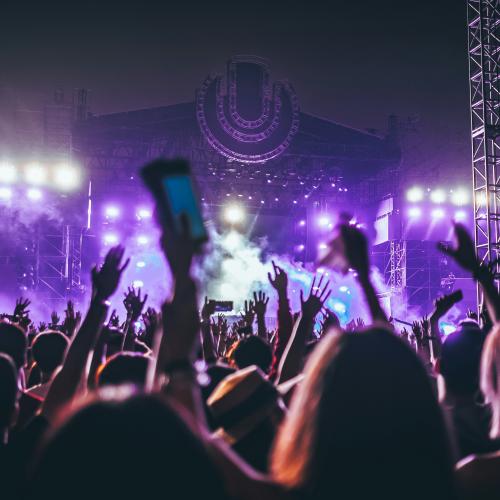
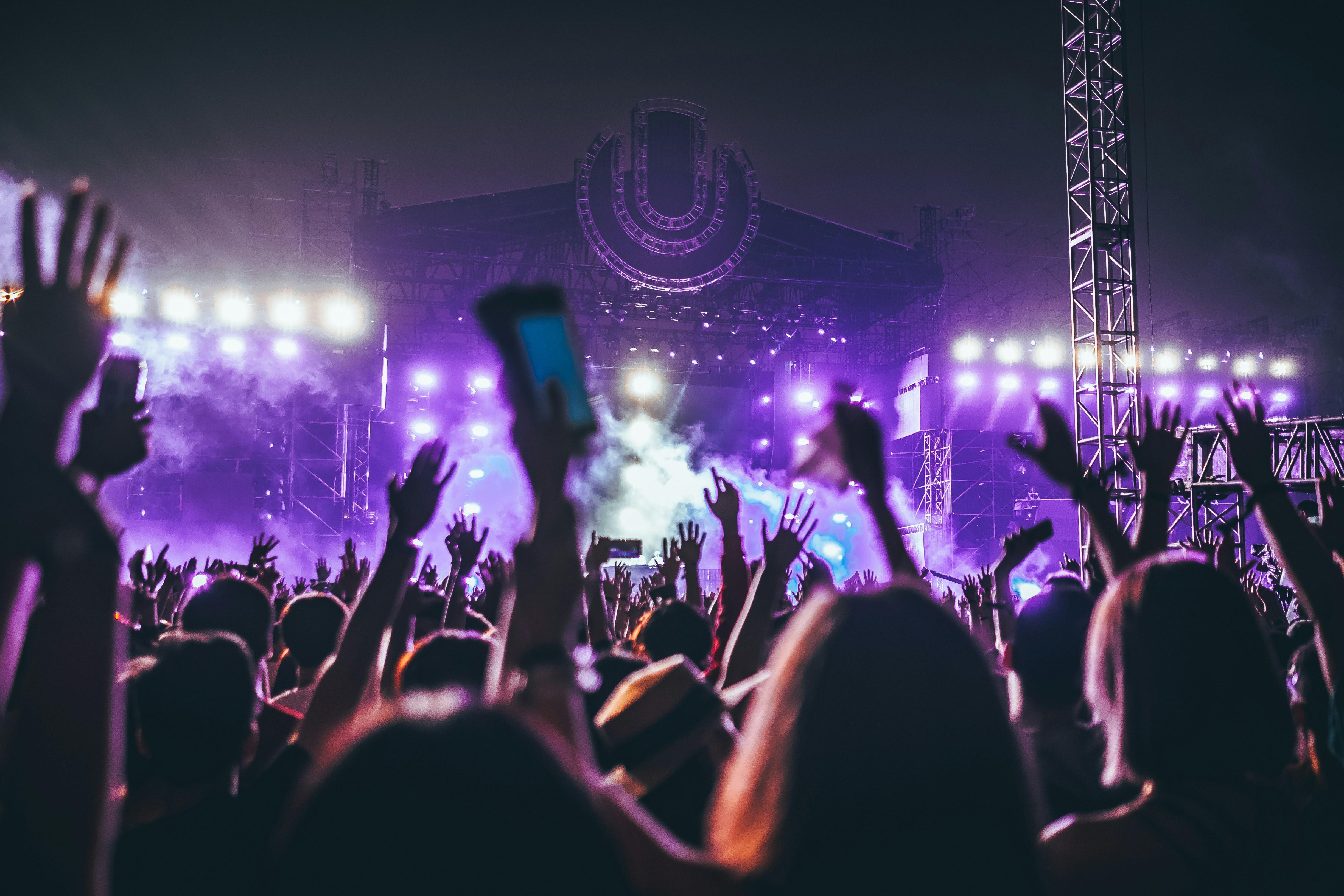
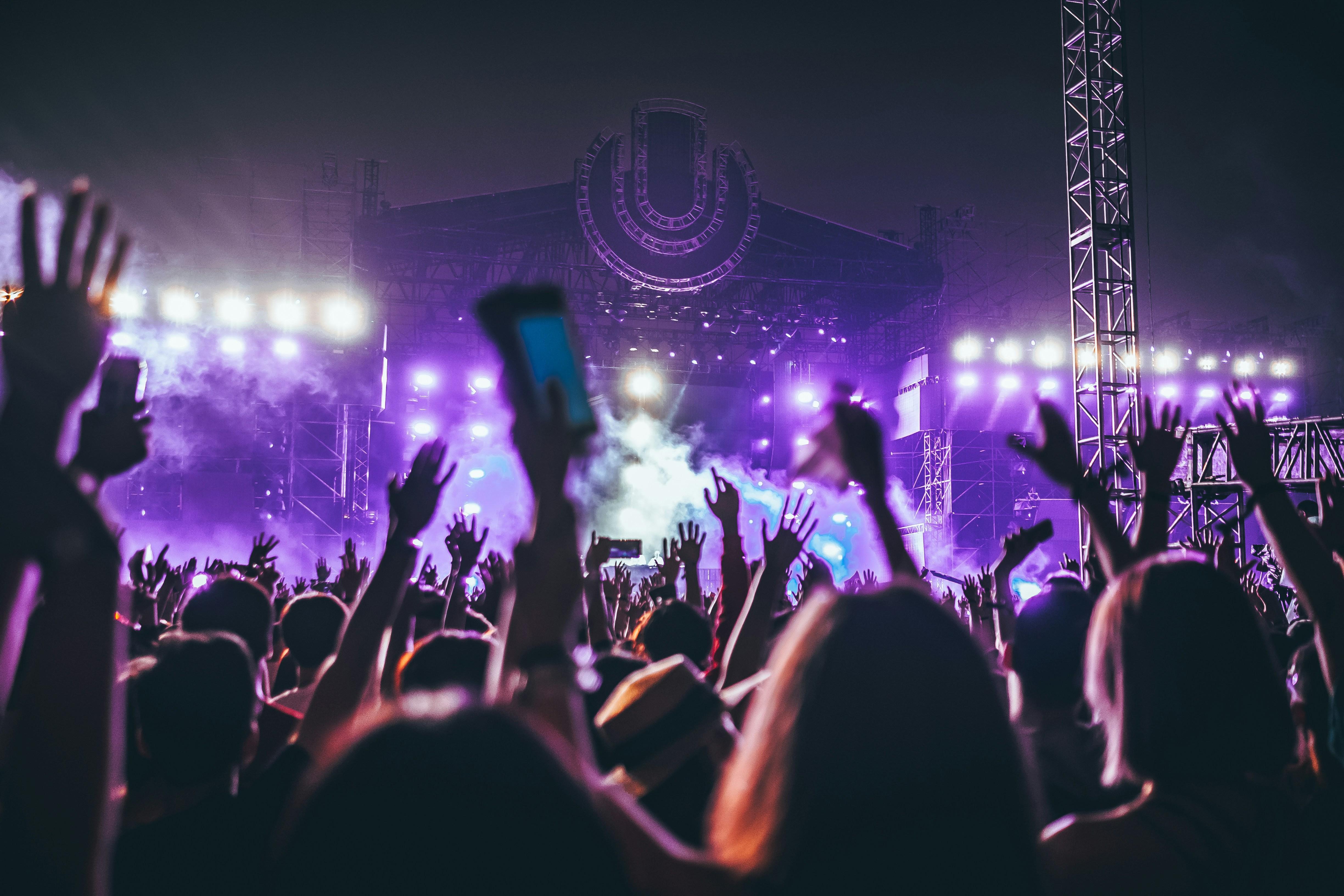
The geography of contemporary musical pilgrimage extends far beyond Europe's traditional capitals. Coachella may have started as a desert music festival, but it has evolved into a cultural phenomenon where the music is only part of a carefully curated lifestyle experience. The festival's influence on fashion, social média, and cultural trends makes it a contemporary equivalent of those 18th-century Viennese salon seasons-a place where being present matters as much as what you hear.
Burning Man
Musical Sacrifice
Burning Man occupies its own category entirely. creating a temporary city in Nevada's desert where music becomes part of a larger experiment in community and art. The festival's sound camps and art cars present music in ways that challenge every conventional notion of performance and audience, creating experiences that exist nowhere else on earth.
The infrastructure supporting high-end music travel has become remarkably sophisticated. The most exclusive experiences often require not just money but connections-access to the private boxes at La Scala, invitations to the after-parties at major festivals, or seats at invitation-only performances in historic venues. Some of the world's most memorable musical experiences happen in spaces that hold fewer than a hundred people: private concerts in Venetian palazzos, acoustic sets in ancient caves, or orchestral performances in locations chosen specifically for their unique acoustics.
In our age of perfect digital reproduction, the physical act of traveling for live music takes on almost sacred significance. No streaming service can capture the way Vienna's Musikverein transforms a familiar symphony, or the electricity that passes between performer and audience in an intimate venue, or the way a master DJ reads a crowd and creates something entirely new in real-time. The music traveller's journey remains fundamentally about presence, about being there when sound becomes magic.
This is pilgrimage at its most essential-not escape from the everyday, but communion with the extraordinary power of human creativity expressed through rhythm, melody, and shared experience. The most profound musical journeys don't just change your playlist-they change how you hear the world.