Travel for Art: The Eternal Journey of Discovery
Travel for Art:
The Eternal Journey of Discovery
The impulse begins in childhood-that inexplicable desire to possess beauty, to hold onto something that speaks to us. A smooth stone from the beach, a pressed flower, a trading card that captures our imagination. This fundamental human urge to collect, to curate our own small universe of meaningful objects, forms the bedrock of one of history's most sophisticated forms of travel: the art collector's journey.
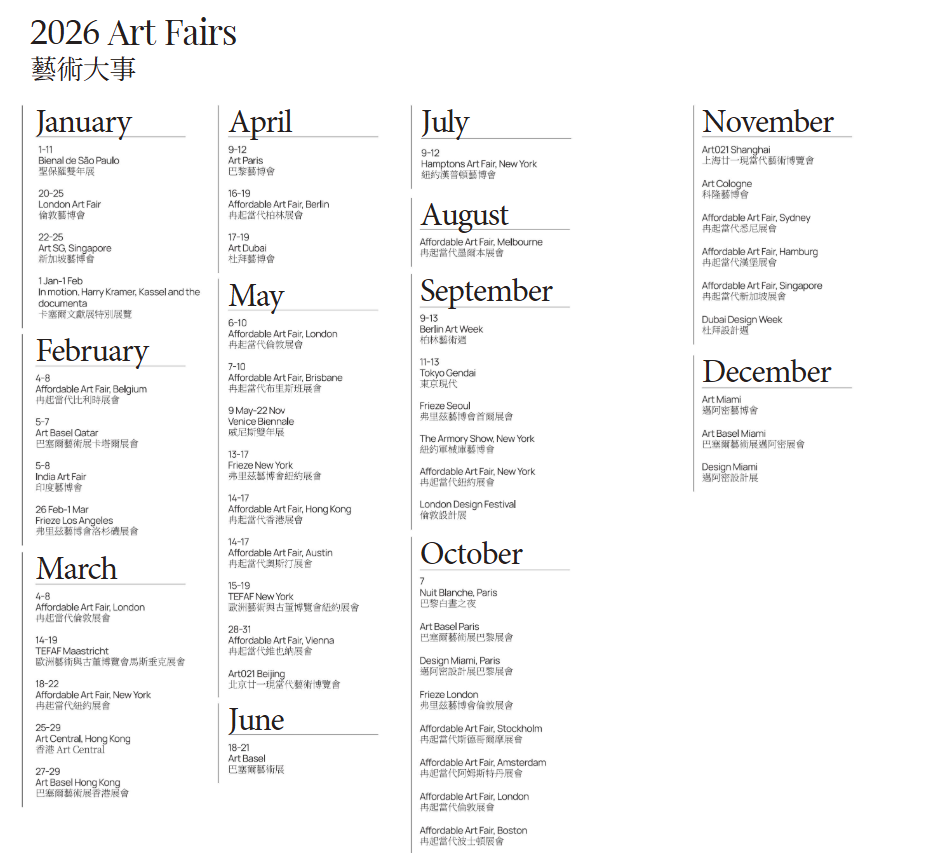
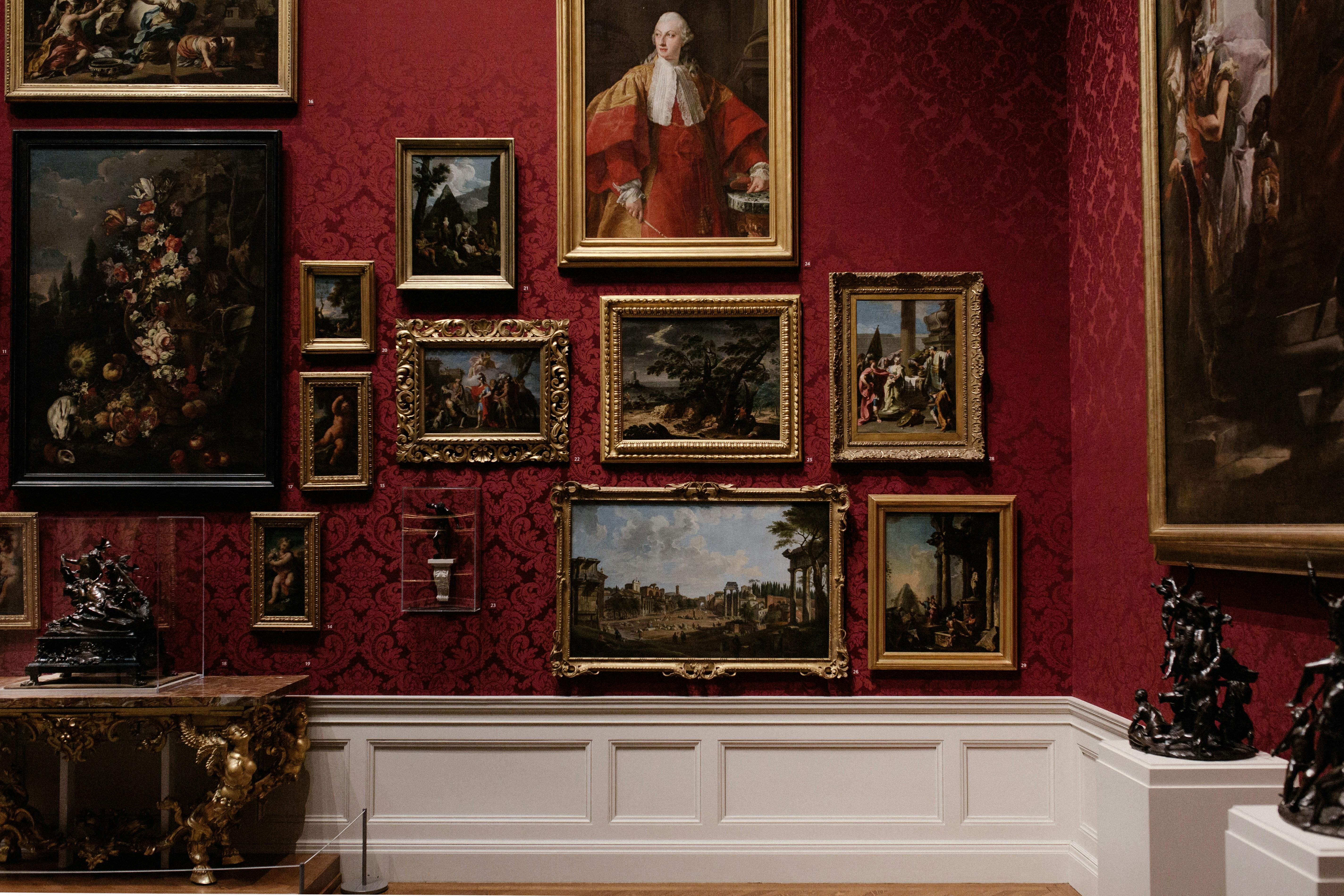
What we witness today in the gleaming halls of Art Basel or the ancient palazzos of the Venice Biennale is not a modern phenomenon, but the latest chapter in a story that began centuries ago when young European aristocrats embarked on their Grand Tours. This ritualistic journey. which flourished from the 17th through 19th centuries. was considered an essential rite of passage for wealthy young men, particularly from Britain. The prescribed route typically began in France, wound through Switzerland and the German states, and culminated in Italy-with Rome as the ultimate destination. These were not mere vacations but extended cultural expeditions, often lasting several years, accompanied by tutors and servants who facilitated encounters with art, architecture, and classical antiquity.
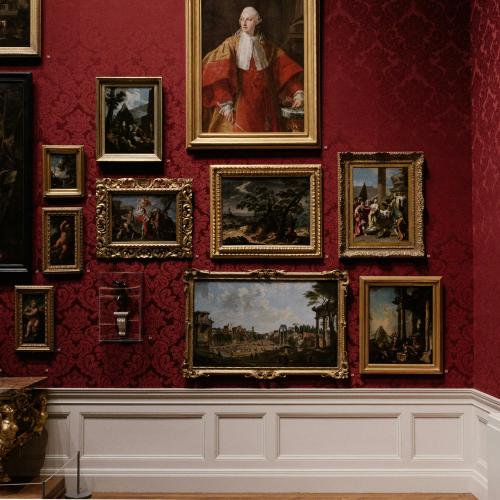
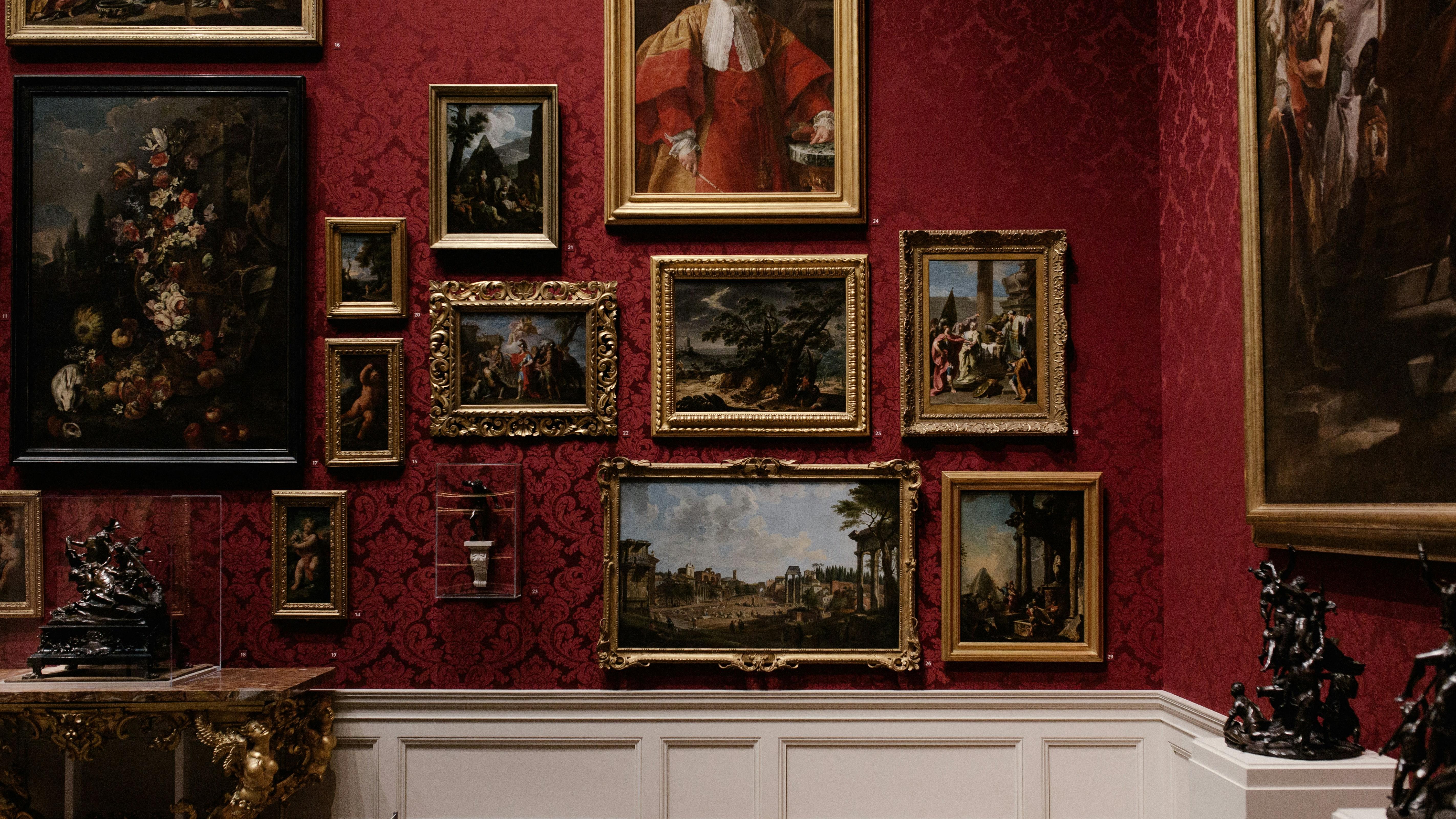
The Grand Tour represented the 18th-century equivalent of today's gap year, but with far greater cultural and social significance. These young travelers were expected to return home transformed-fluent in foreign languages, versed in classical literature, and possessing refined aesthetic sensibilities that would mark them as cultured gentlemen for life. They studied ancient ruins in Rome, attended salons in Paris, and collected art with the same systematic approach that modern collectors follow art fair circuits. The Grand Tourists were not merely passive observers of culture; they were active participants in a marketplace of beauty and status. They commissioned portraits from fashionable artists in Rome, acquired ancient sculptures in Greece, and purchased contemporary works in Paris. These transactions were far more than simple souvenir shopping- they were acts of cultural appropriation in the truest sense, bringing fragments of distant civilizations back to their English country houses and German castles.
Consider the parallels to our digital age: those carefully composed portraits, painted in exotic locations with classical ruins as backdrops, served precisely the same function as today's Instagram posts from art fairs. Both are forms of cultural documentation, proof of presence at the epicenter of taste and refinement. The Grand Tourist's portrait announced to society back home that he had walked where Cicero once spoke, just as today's collector's carefully curated social media presence announces their proximity to the pulse of contemporary art.
But true art travel extends far beyond acquisition.
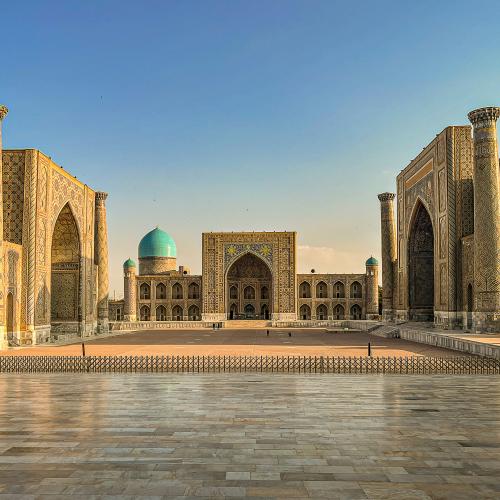
The most profound experiences often come through unexpected encounters-stumbling upon a master potter in a Kyoto alley, watching his meditative focus as he shapes clay, or standing before Diego Rivera's murals in Mexico City and suddenly understanding how art can carry a nation's memory and pain. These moments cannot be purchased or planned; they emerge from genuine cultural immersion and openness to surprise. Standing in the wheat fields where Van Gogh painted, walking through Monet's gardens at Giverny, or craning one's neck in the Sistine Chapel to meet Michelangelo's divine figures-these are pilgrimages that offer dialogue across centuries, conversations with masters who speak through their enduring works.
But this comparison runs deeper than mere documentation. The Grand Tour was fundamentally about transformation-the provincial young man who departed London returned as a cosmopolitan citizen of culture. Today's art collectors undertake their own transformative journeys, following artistic conversations as they unfold across continents. They might begin the year at Frieze Los Angeles, move through Art Basel Hong Kong, experience the controlled chaos of the Venice Biennale, and conclude at Art Basel Miami Beach. Each destination offers not just artworks to acquire, but ideas to absorb, perspectives that challenge existing
worldviews.
The geography of art collecting has expanded exponentially since the Grand Tour's familiar path through Italy and France. Contemporary collectors might find themselves in a cutting-edge gallery in London one month, exploring the experimental art scene in Seoul the next, or discovering revolutionary voices emerging from São Paulo's vibrant cultural underground. This expansion reflects not just improved transportation, but a fundamental shift in where artistic innovation occurs. The center has become everywhere and nowhere simultaneously.
What drives these modem cultural nomads is the same spirit that animated their historical predecessors: the intoxicating possibility of discovery. The Grand Tourists hoped to encounter antiquity firsthand, to stand before works they had only read about in distant libraries. Today's collectors seek something equally rare-the chance to recognize emerging genius before the rest of the world catches on, to acquire works that will define future cultural conversations, and to experience that electric moment when art sparks recognition and understanding.
This pursuit requires more than financial resources: it demands cultural stamina and intellectual curiosity. Serious collectors develop relationships with artists, gallerists, and curators across multiple continents. They attend private studio visits in Berlin, participate in intimate dinners with artists in Mexico City, and arrange exclusive previews at galleries from Copenhagen to Cape Town. Their travel calendars become complex orchestrations of cultural engagement, each trip carefully planned to maximize exposure to new ideas and emerging talent, but also to allow for those spontaneous encounters that often prove most memorable.
The infrastructure supporting this lifestyle has evolved to match its sophistication. Specialized art transport companies ensure precious acquisitions travel safely between continents. Climate-controlled storage facilities in major cities allow collectors to house works strategically around the globe. Concierge services can arrange private museum tours, facilitate introductions to reclusive artists, or secure invitations to the most exclusive cultural events.
Yet beneath all this logistical complexity lies something beautifully simple: the same wonder that makes a child reach for a particularly perfect seashell on the beach. The true art traveler understands that collecting is not about accumulation but about connection-to beauty, to ideas, to the endless human capacity for creation. The most precious acquisitions are not the works that hang on walls, but the insights and emotions that take residence in the heart.
In our increasingly digital world, the physical act of traveling to encounter art takes on renewed significance. No virtual gallery can replicate the experience of standing before a painting in the studio where it was created, feeling the texture of brushstrokes up close, or the electricity of discovering an unknown talent in a cramped
gallery space. The art traveler's journey remains fundamentally about presence, about being there
when cultural lightning strikes.
This is travel at its most essential-not escape from life, but deeper engagement with it.